The Chimay Trappist Brewery: A Legacy of Craftsmanship and Innovation
The Chimay Trappist Brewery, one of the most renowned names in the world of beer, has been a beacon of Belgian brewing tradition for 150 years. Located in the heart of Wallonia, Belgium, within the walls of the Scourmont Abbey, Chimay’s roots stretch back to 1860 when the monks of the abbey first began brewing beer as part of their self-sustaining monastic life. Over the years, Chimay has become synonymous with quality Trappist beer, but its legacy continues to evolve, with the introduction of the new Chimay 175 marking a significant milestone in the brewery’s long history.
The History of Chimay Brewery
The story of Chimay begins in 1850 when the monks of Scourmont Abbey started cultivating the land around the abbey. However, it wasn’t until 1860 that they began brewing beer, initially producing it solely for their own consumption and the sustenance of the abbey. The first official brew, Chimay Rouge (or Chimay Red), was created in 1867, and the beer quickly became popular among the local community. By the 20th century, Chimay’s beer was gaining recognition beyond Belgium’s borders, thanks in large part to the brewery’s dedication to maintaining the purity of its ingredients and preserving the centuries-old brewing traditions that the monks cherished.
The Trappist beer label is reserved for beers brewed within the walls of a Trappist monastery, where the profits from the sale of the beer support the monastic community and charitable endeavours. Chimay, like other Trappist breweries, adheres to this principle, using only the highest-quality ingredients and following strict brewing practices. The beer itself is made with water from the Scourmont springs, malt, hops, and a special yeast strain, which contributes to the distinct flavours that Chimay beers are known for.
Tasting Chimay Beers: A Journey Through Flavour
Chimay’s range of beers is diverse, but all are unified by their complex, rich flavours and the craftsmanship behind them. The brewery produces a few core beers, each with its own unique profile:
Chimay Red (Première):
Chimay Red, the original Chimay beer, is a deep amber colour with a creamy white head. It has a rich, malty aroma with subtle notes of caramel, dark fruits, and a slight spiciness from the yeast. On the palate, the beer is smooth and full-bodied, with a perfect balance of sweetness and bitterness. It finishes with a light, pleasant warmth.
Chimay Blue (Grande Réserve):
Chimay Blue is a strong, dark beer with an ABV of 9%. It is known for its deep, complex flavour profile, with dark fruit notes, a hint of cocoa, and a touch of vanilla. There’s a slight bitterness that balances out the sweetness, and the beer benefits from ageing, as the flavours continue to develop over time.
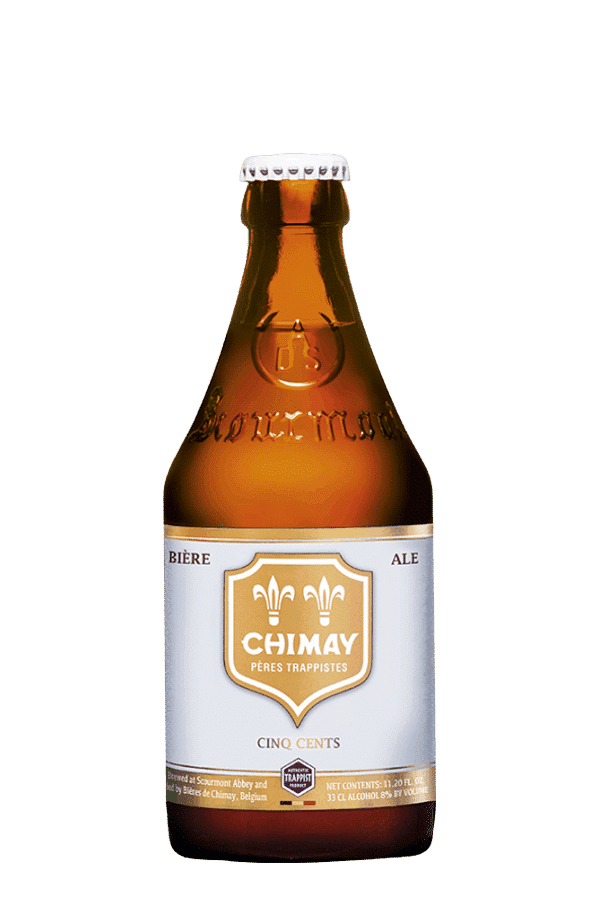
Chimay White (Cinq Cents):
Chimay White is a Belgian-style tripel with a bright, golden hue. It has a fruity and floral aroma with a spicy yeast character. The taste is clean, crisp, and slightly sweet, with notes of apple, pear, and citrus, followed by a subtle bitterness that makes it wonderfully refreshing.
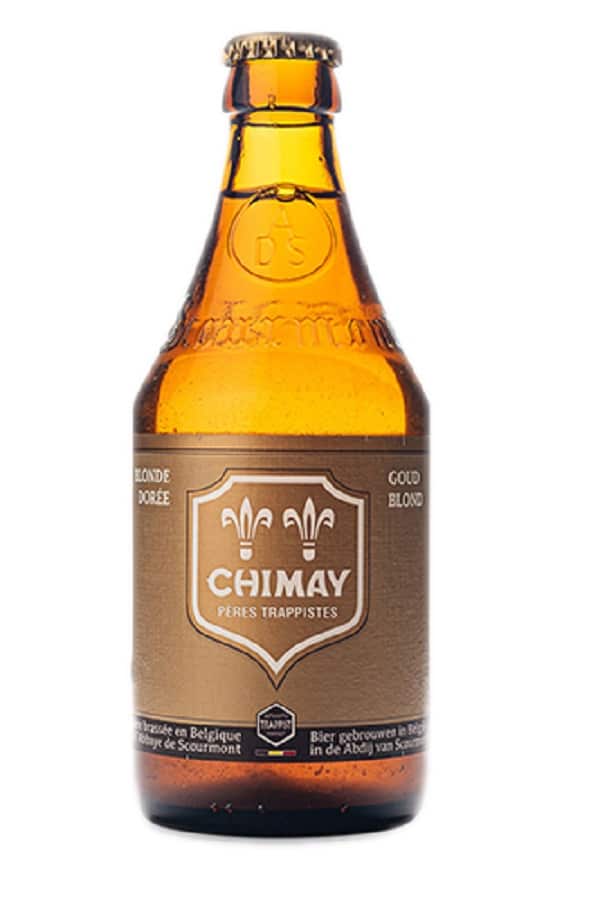
Chimay Gold:
A lighter variant, Chimay Gold was originally brewed exclusively for export. It is a pale ale with a gentle malt profile, mild hops, and a soft, dry finish. It’s a great option for those who prefer a more delicate Trappist beer, without sacrificing the depth of flavour for which Chimay is known.
Chimay 175: A Tribute to Tradition and Innovation
In 2025, Chimay introduced a special beer to commemorate the 175th anniversary of the Scourmont Abbey. Chimay 175 is a limited-edition brew that blends Chimay’s centuries-old brewing expertise with a modern touch. The beer is a tribute to the rich heritage of the monastery while embracing innovation.
Chimay 175 is a Belgian-style strong ale that showcases the brewery’s commitment to quality. It has a deep amber colour and a slightly hazy appearance. The nose presents aromas of caramel, toasted bread, and ripe fruit, with hints of spice and wood. On the palate, Chimay 175 is full-bodied, with rich malt sweetness balanced by a light bitterness and a warming alcohol finish. The beer is complex yet smooth, with a delightful combination of dark fruit flavours, light caramel, and a subtle earthiness. It’s a beer meant to be savoured slowly, allowing its layers of flavour to unfold with each sip.
Why Trappist Beers are Worth Drinking
Trappist beers, particularly those from Chimay, are a product of centuries of brewing tradition, and their quality is unmatched. The monks at Chimay and other Trappist breweries are not driven by profit but by a commitment to producing beers that reflect their faith and their way of life. This results in beers that are full of character, made with only the finest ingredients and brewed with a level of care that’s hard to find in mass-produced beers.
The slow fermentation process, combined with the use of special yeast strains, gives Trappist beers their distinct complexity. They are typically higher in alcohol content than many commercial beers, which allows for deeper flavours to develop. Trappist beers are also often bottle-conditioned, meaning they continue to ferment in the bottle, which further enhances their flavour and texture over time.
For beer connoisseurs and casual drinkers alike, Chimay and other Trappist beers offer an experience that goes beyond mere refreshment—they are a taste of history, tradition, and the dedication to craftsmanship that goes into every bottle. Whether you’re sipping on Chimay Red after a long day, enjoying the depth of Chimay Blue, or exploring the innovation of Chimay 175, you are drinking not just a beer, but a part of a centuries-old legacy.
Chimay Trappist beers are more than just a drink; they’re a reflection of the care, tradition, and passion that the monks pour into each batch. From their iconic core range to the recent Chimay 175, these beers are a testament to Belgian brewing excellence, and they’re definitely worth exploring for anyone looking to experience the artistry of Trappist brewing at its finest.